
VR CAVE technology guides the future of smart city industry
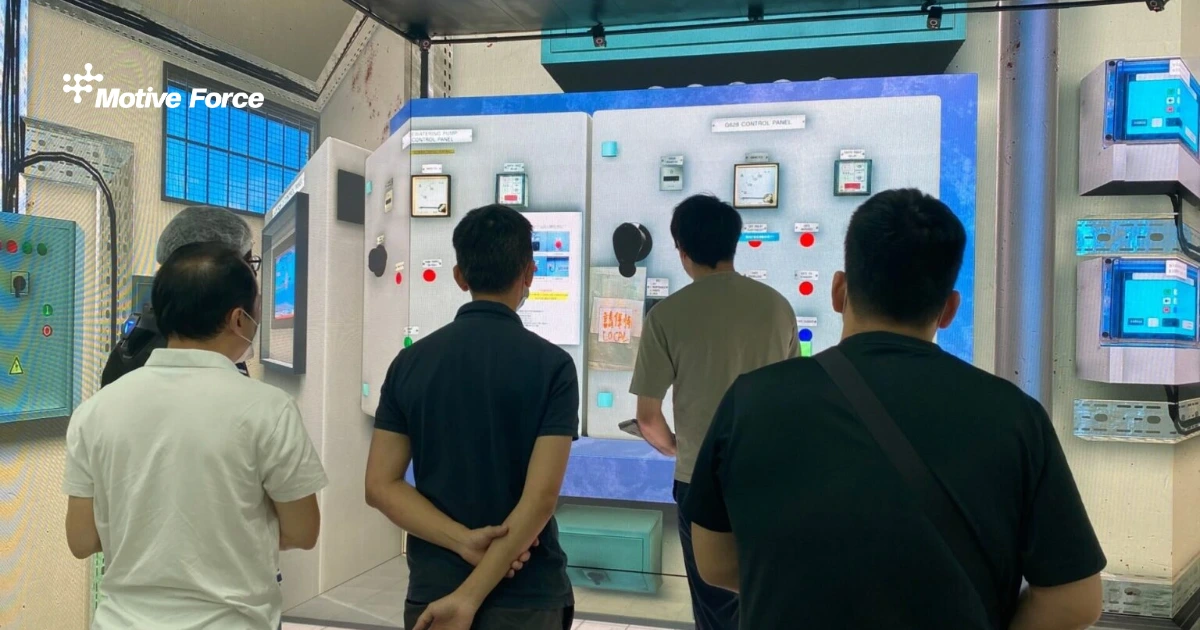
In an era of rapid technological development, the application scope of virtual reality (VR) is constantly expanding, and one of the eye-catching areas is the smart city industry. Through VR CAVE technology (Cave Automatic Virtual Environment), we can experience and simulate the operation of the city in a comprehensive virtual environment, providing more effective solutions for urban planning, management and operation.
Application of VR CAVE in smart cities
1. Urban planning and design
Using VR CAVE technology, urban planners and architects can simulate urban development scenarios in a virtual environment. They can evaluate the impact of different building options on the urban landscape, reduce planning errors, and improve the effectiveness of urban design.
2. Intelligent traffic management
VR CAVE technology can be used to simulate traffic flow, road conditions and intersection operations to optimize traffic management. Through virtual reality, traffic managers can more accurately predict congestion conditions, formulate more effective traffic flow control strategies, and improve urban traffic efficiency.
3. Emergency response and safety training
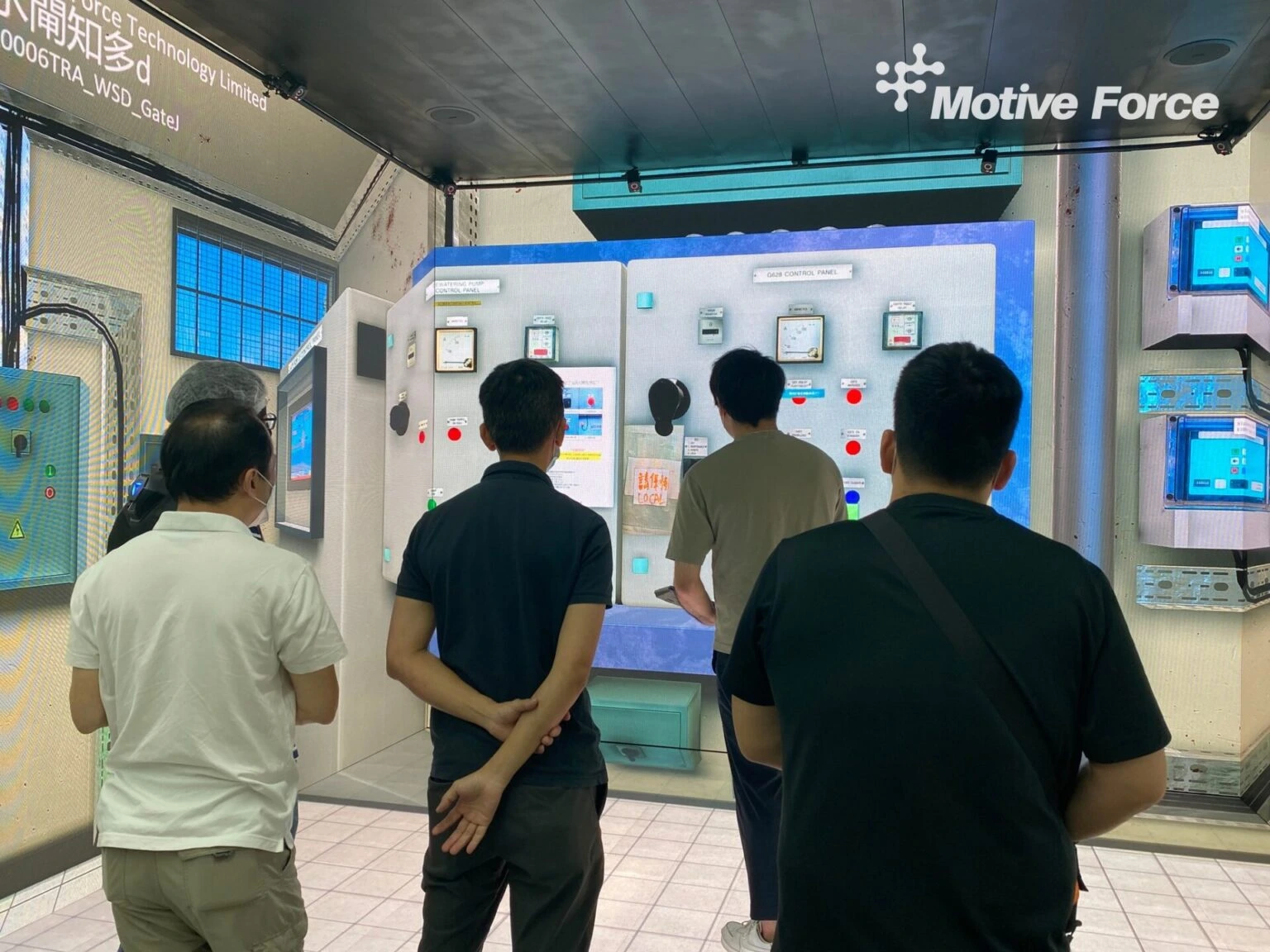
Simulating emergency situations, such as natural disasters, traffic accidents, etc. in a virtual environment can help emergency personnel better deal with actual scenarios. At the same time, VR CAVE can also provide simulation training to allow city managers and emergency personnel to better master the skills to deal with various crises.
4. Public participation and education
Through VR CAVE technology, citizens can participate in the urban planning process and provide their opinions on urban development. At the same time, students can learn the principles of urban operation in a virtual environment and develop their understanding and interest in urban development.
Advantages of VR CAVE
1. Save time and cost
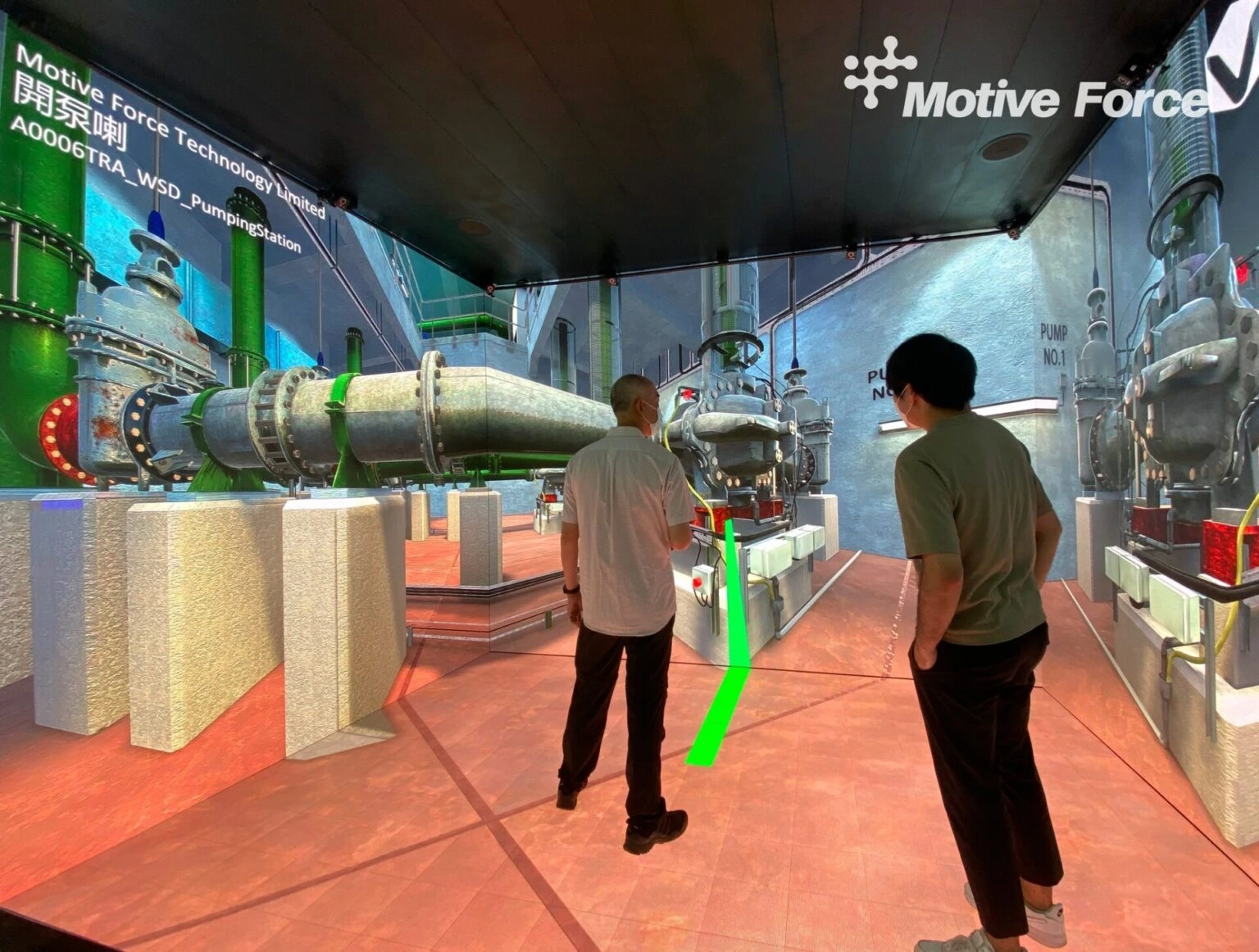
Compared with traditional city simulation methods, using VR CAVE technology can save a lot of time and cost. Instead of building physical models or conducting on-site inspections, urban planners can easily test and adjust multiple times in a virtual environment.
2. Improve accuracy
VR CAVE technology provides a realistic virtual environment, allowing urban planners and managers to more accurately assess the impact of various scenarios and formulate more scientific and reasonable plans.
With the continuous advancement of technology, VR CAVE technology will become an indispensable part of the smart city industry. The application of this technology can not only improve the efficiency of urban management, but also promote public participation and urban education, laying a solid foundation for building smarter and more livable cities. In the future, with the continuous innovation of VR technology, we have reason to believe that VR CAVE will play an increasingly important role in the construction of smart cities.