Pain points and challenges
1. Staffing shortages and caregiver stress
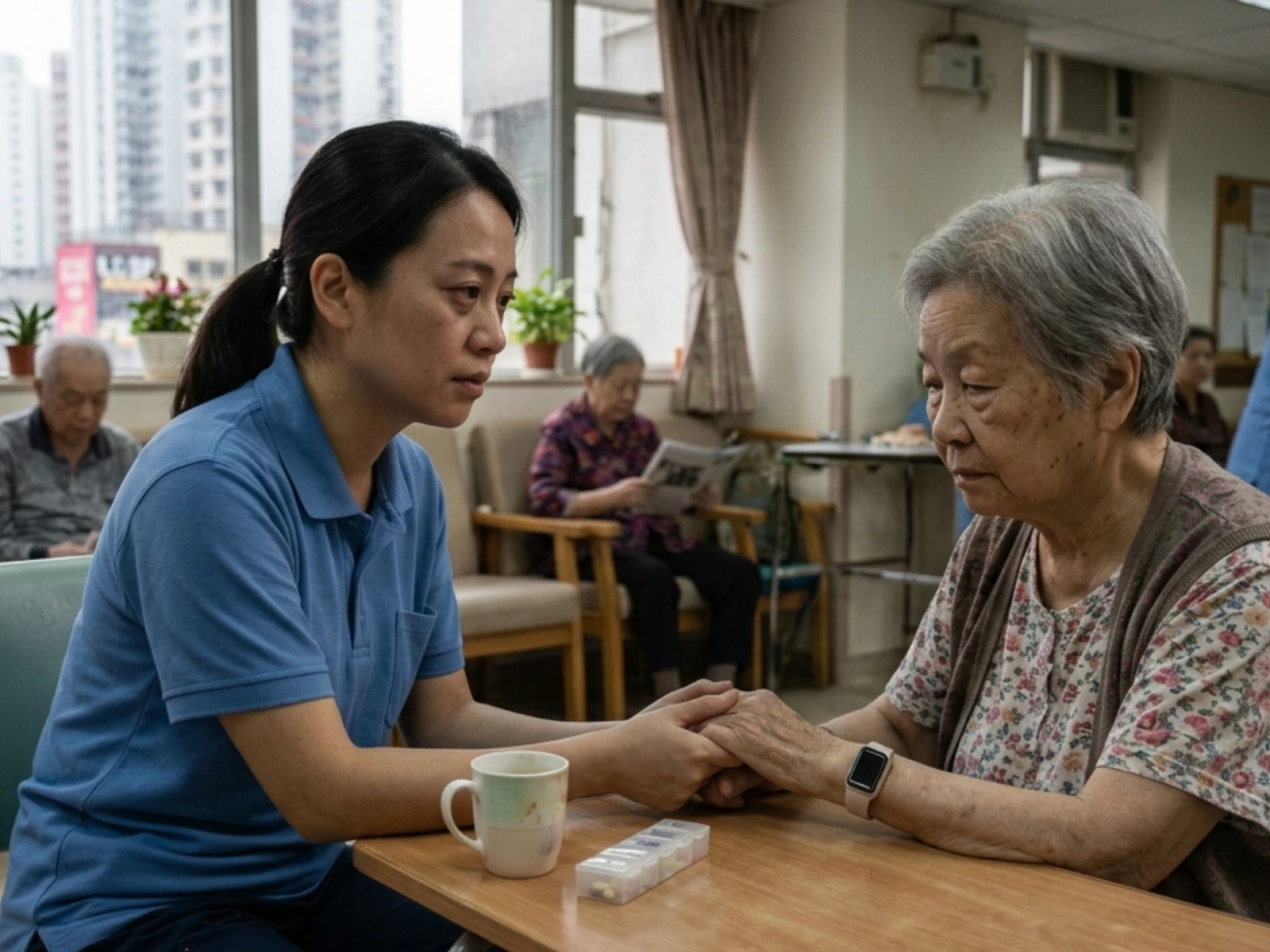
The elderly care industry has long been facing a shortage of manpower, especially frontline nursing staff. This results in existing employees being overworked and exhausted both mentally and physically. At the same time, many family caregivers are also under tremendous mental and financial pressure and lack adequate support and breathing space.
2. Social isolation and cognitive deterioration of the elderly
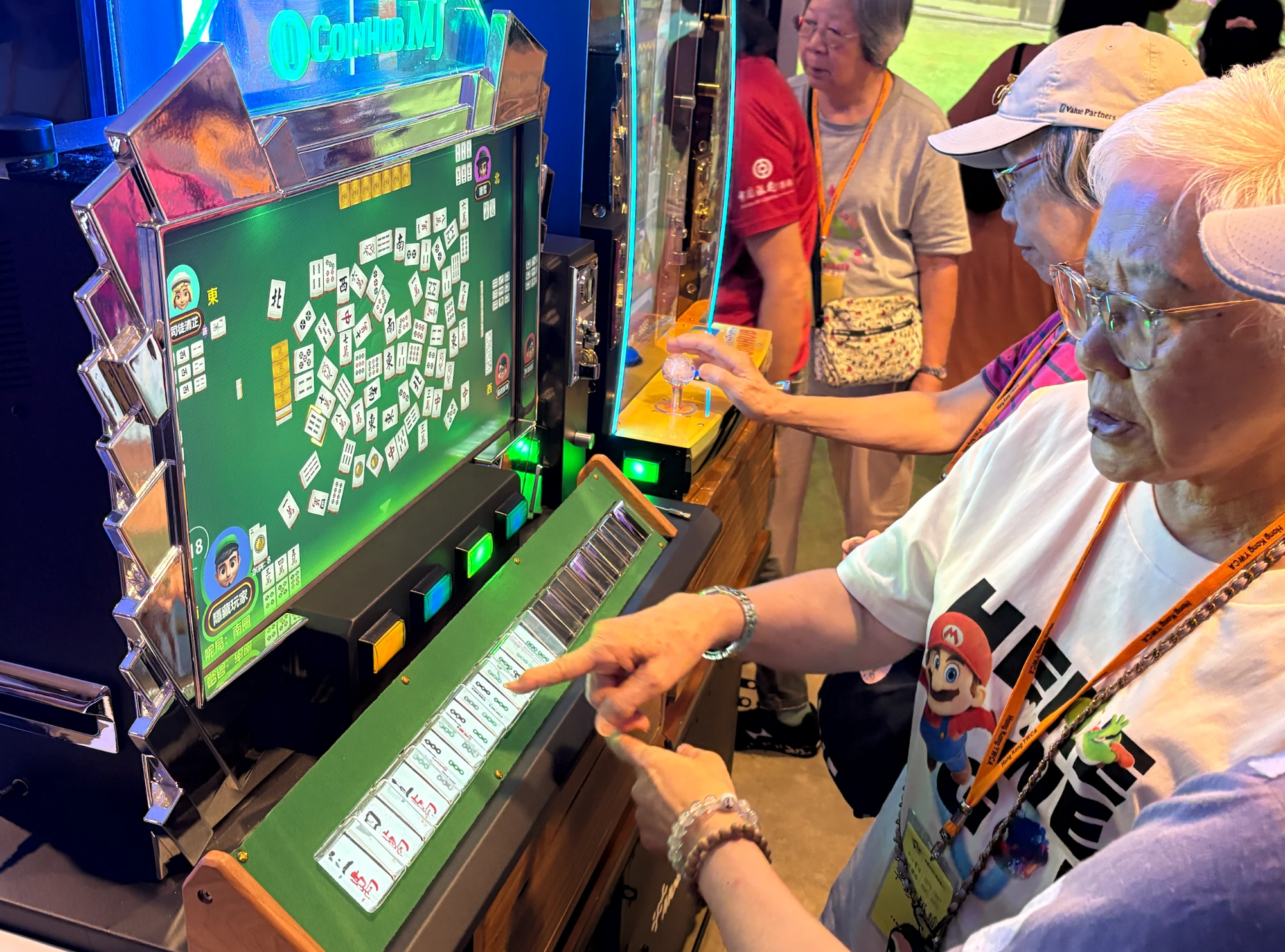
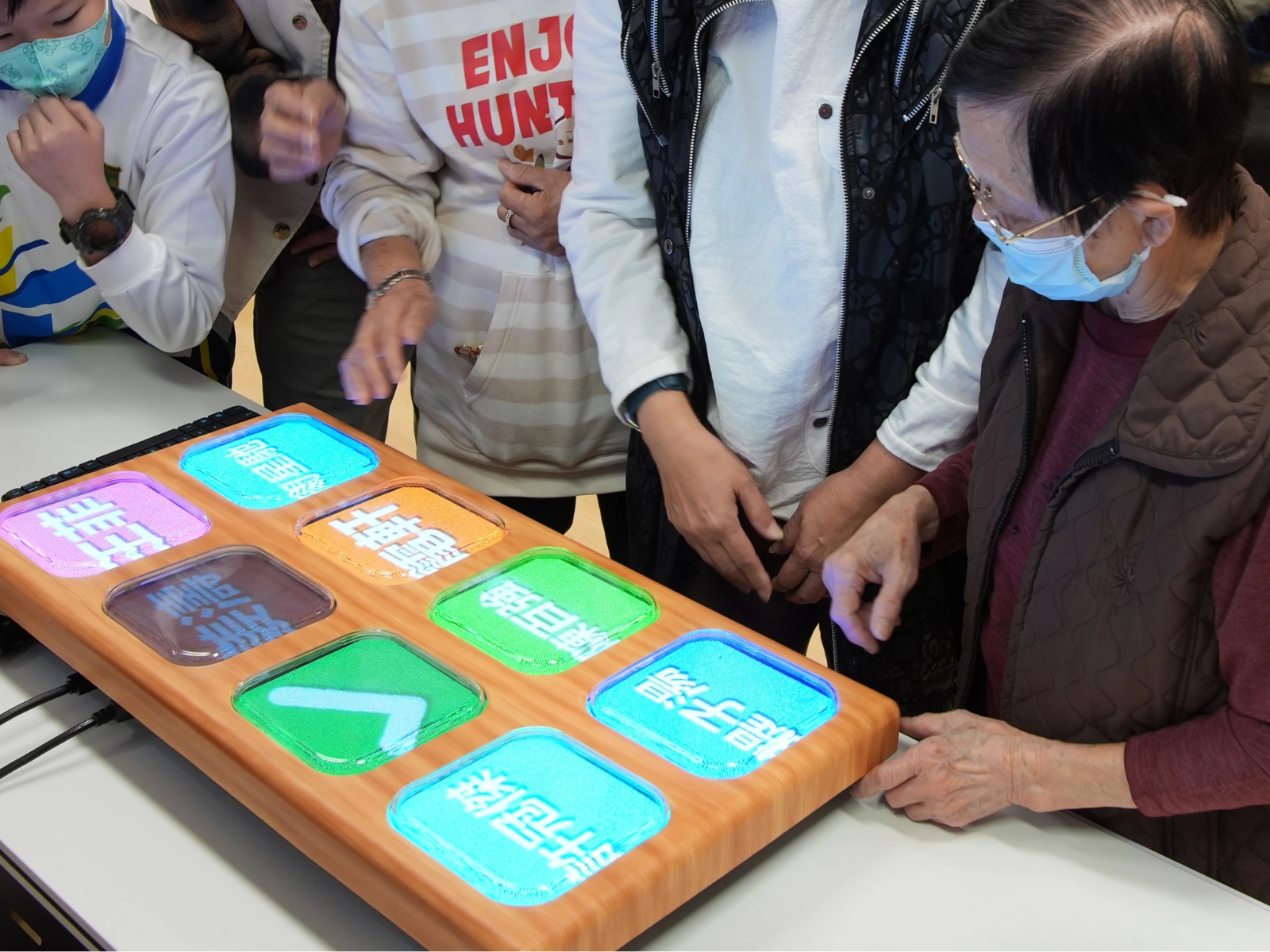
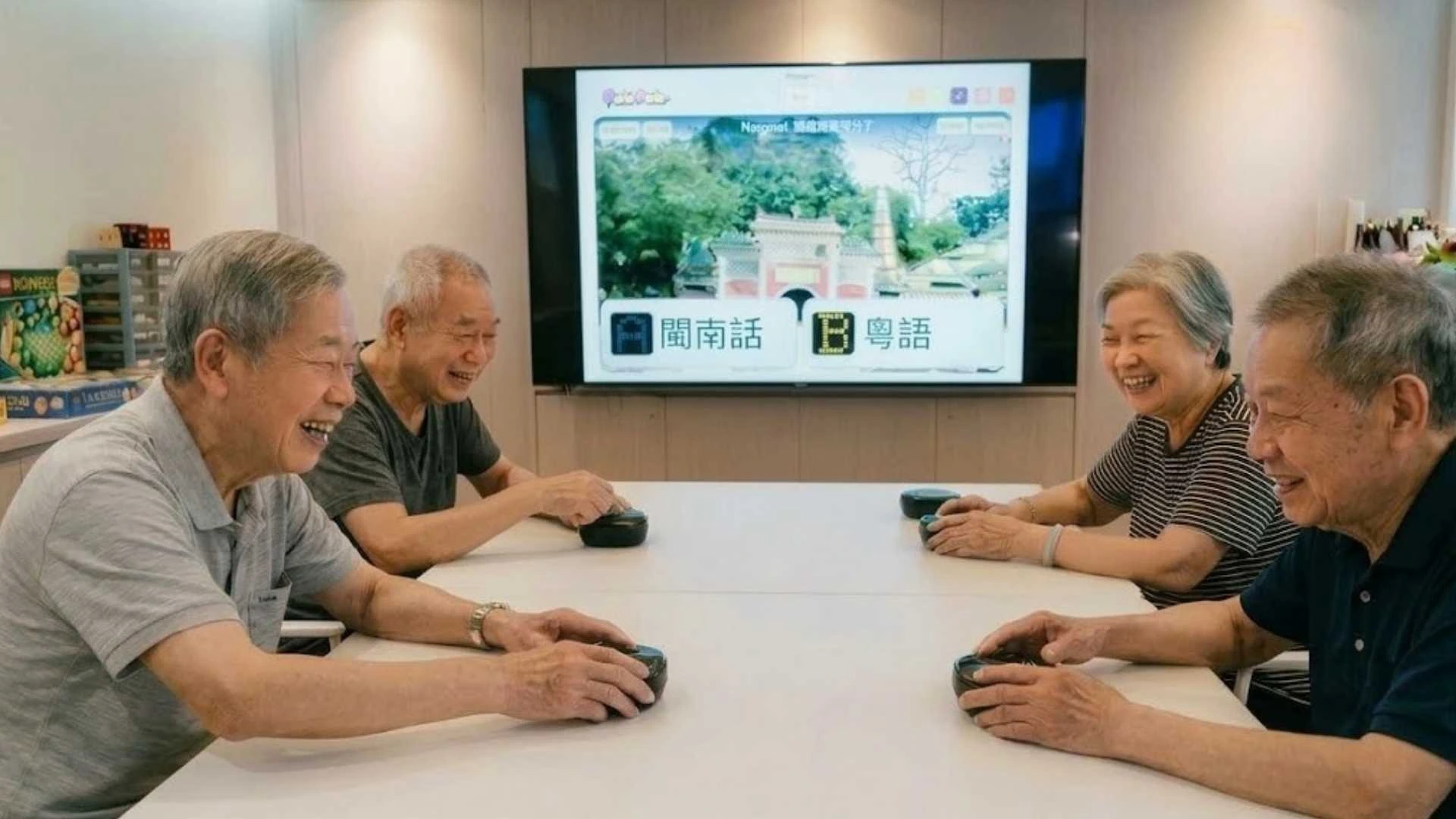
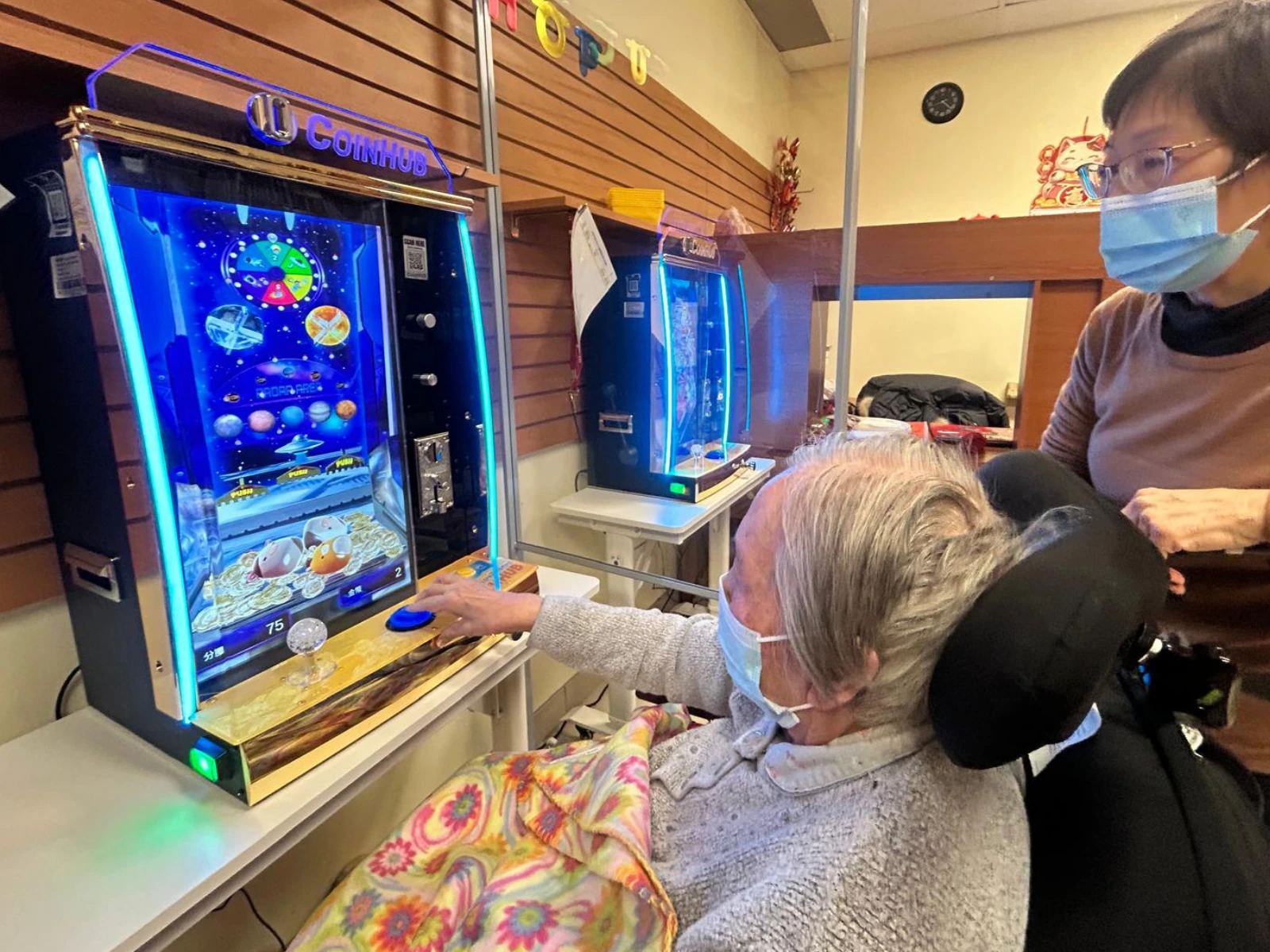
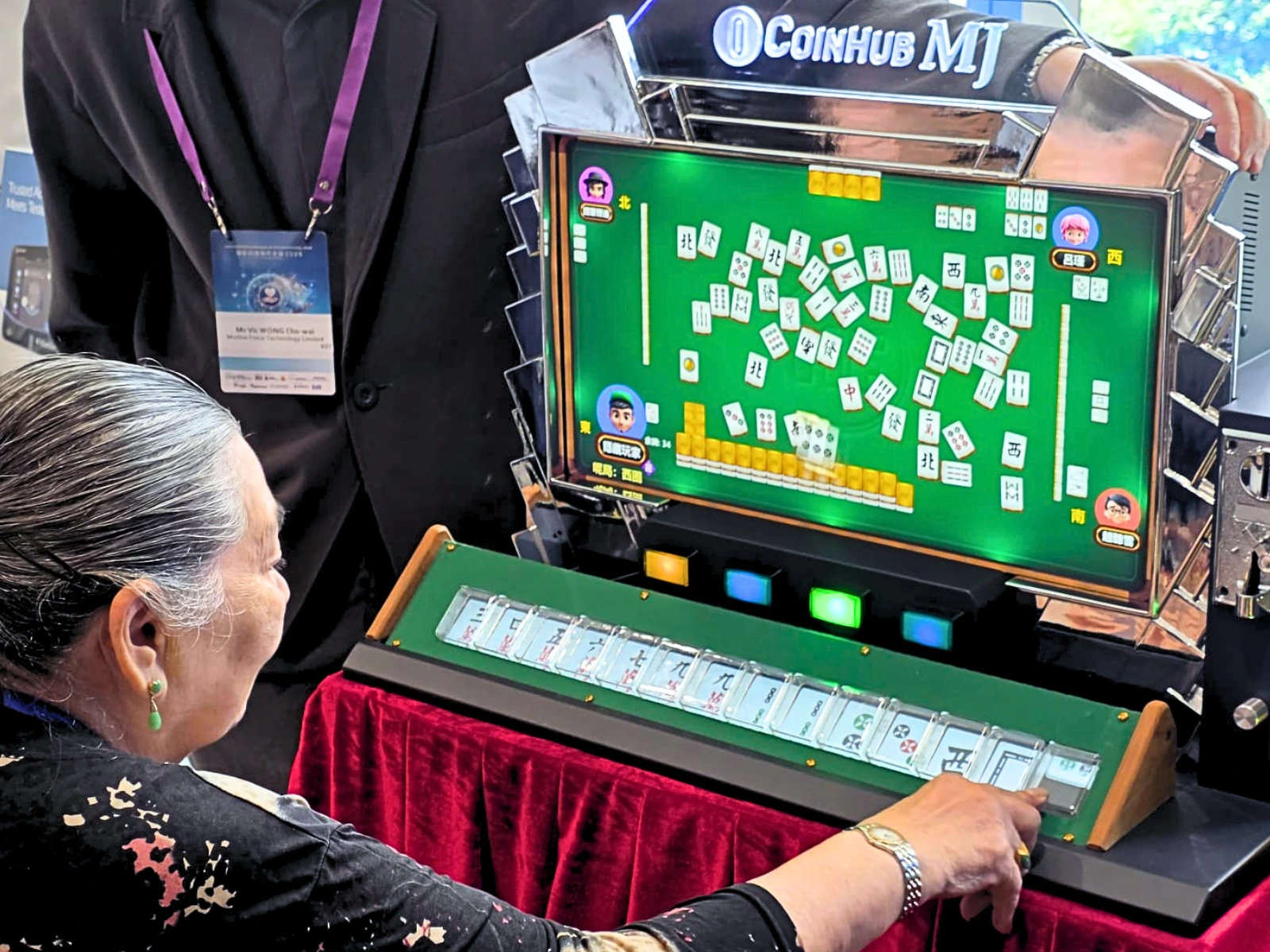
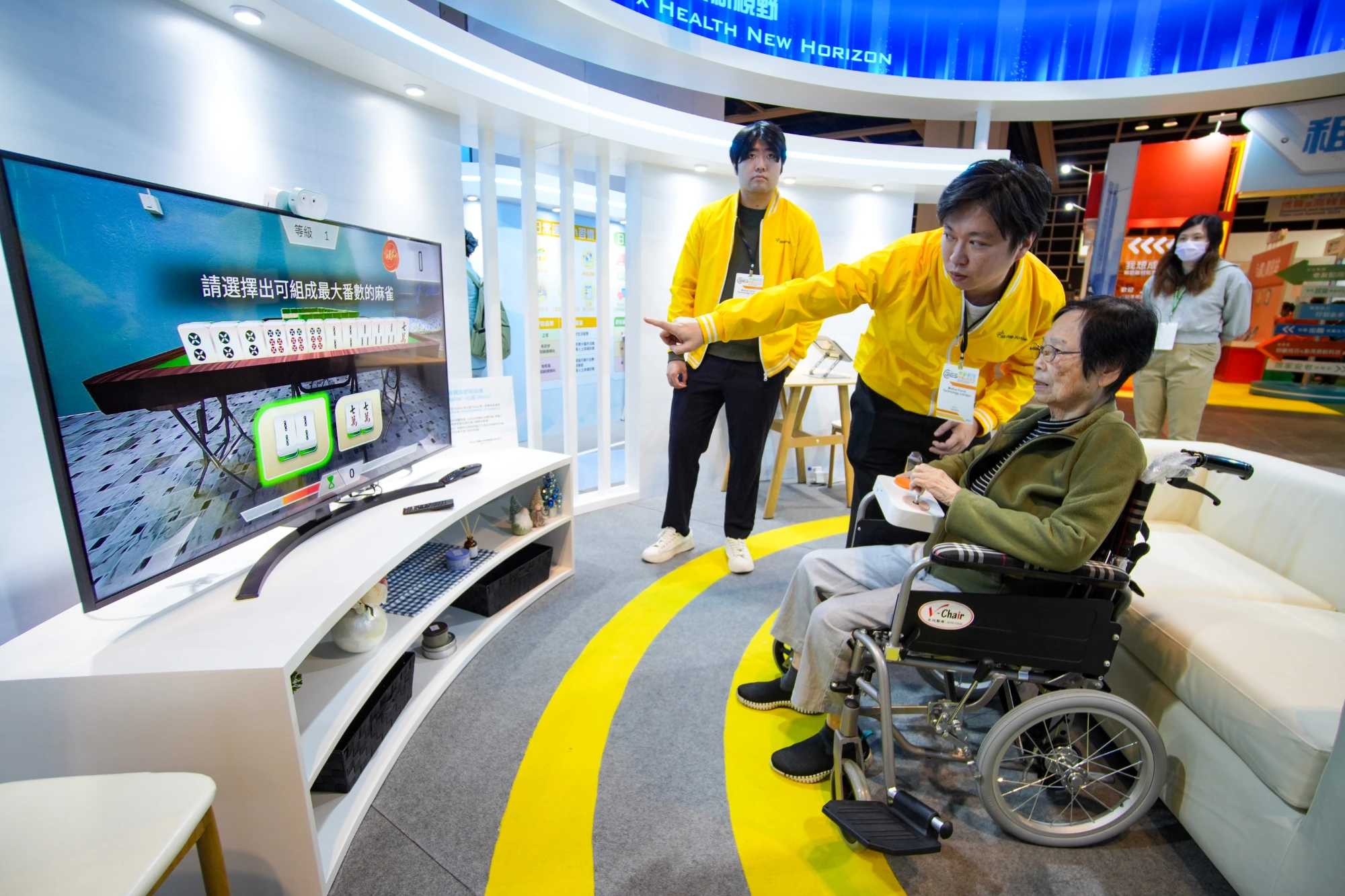
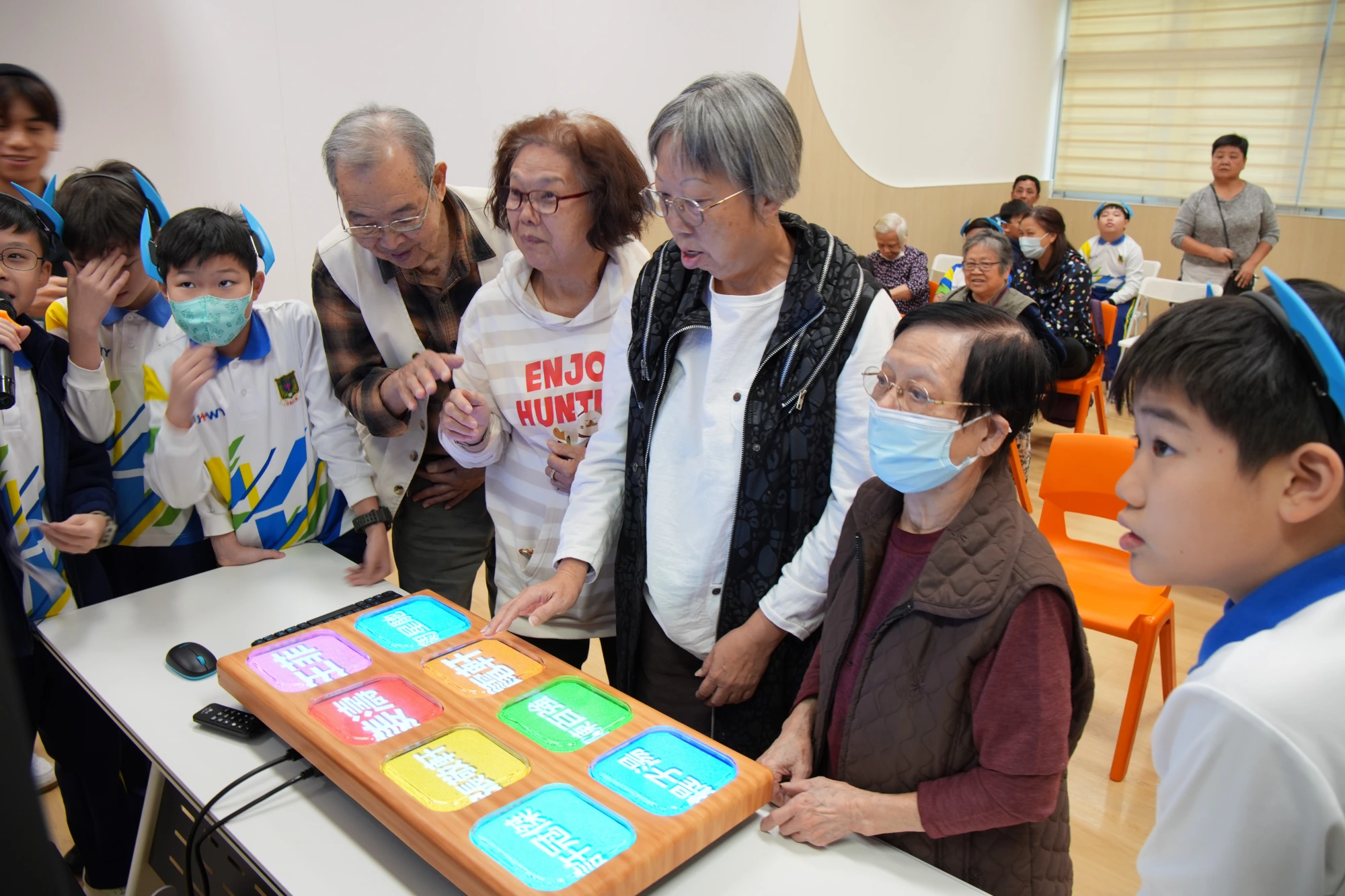
Due to limited mobility, lack of social opportunities or restricted living environment, some elderly people are prone to loneliness and accelerate the deterioration of their cognitive functions. Traditional forms of activities often fail to stimulate the elderly’s interest in participation, resulting in ineffective activities.
3. Rehabilitation training is boring
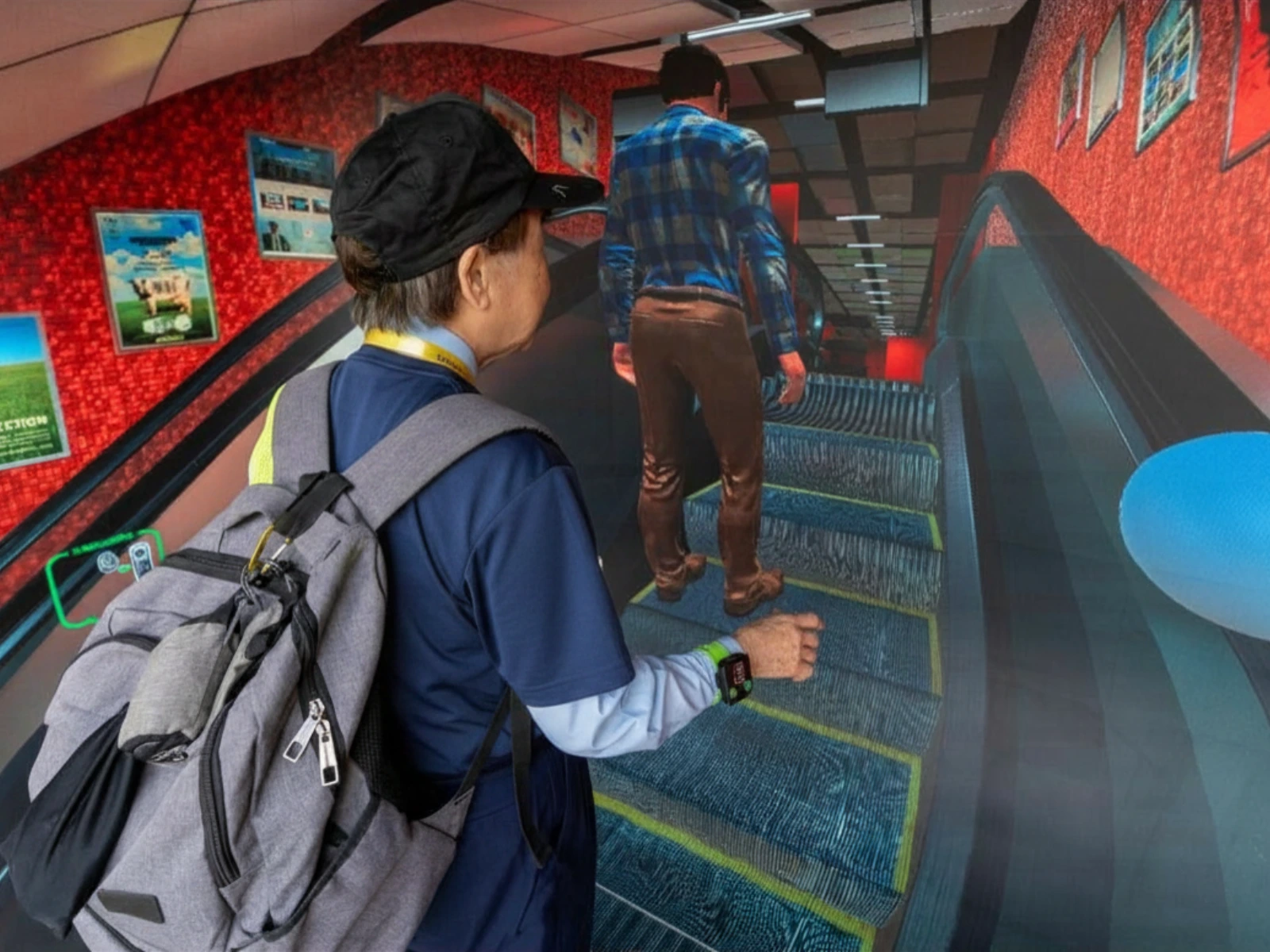
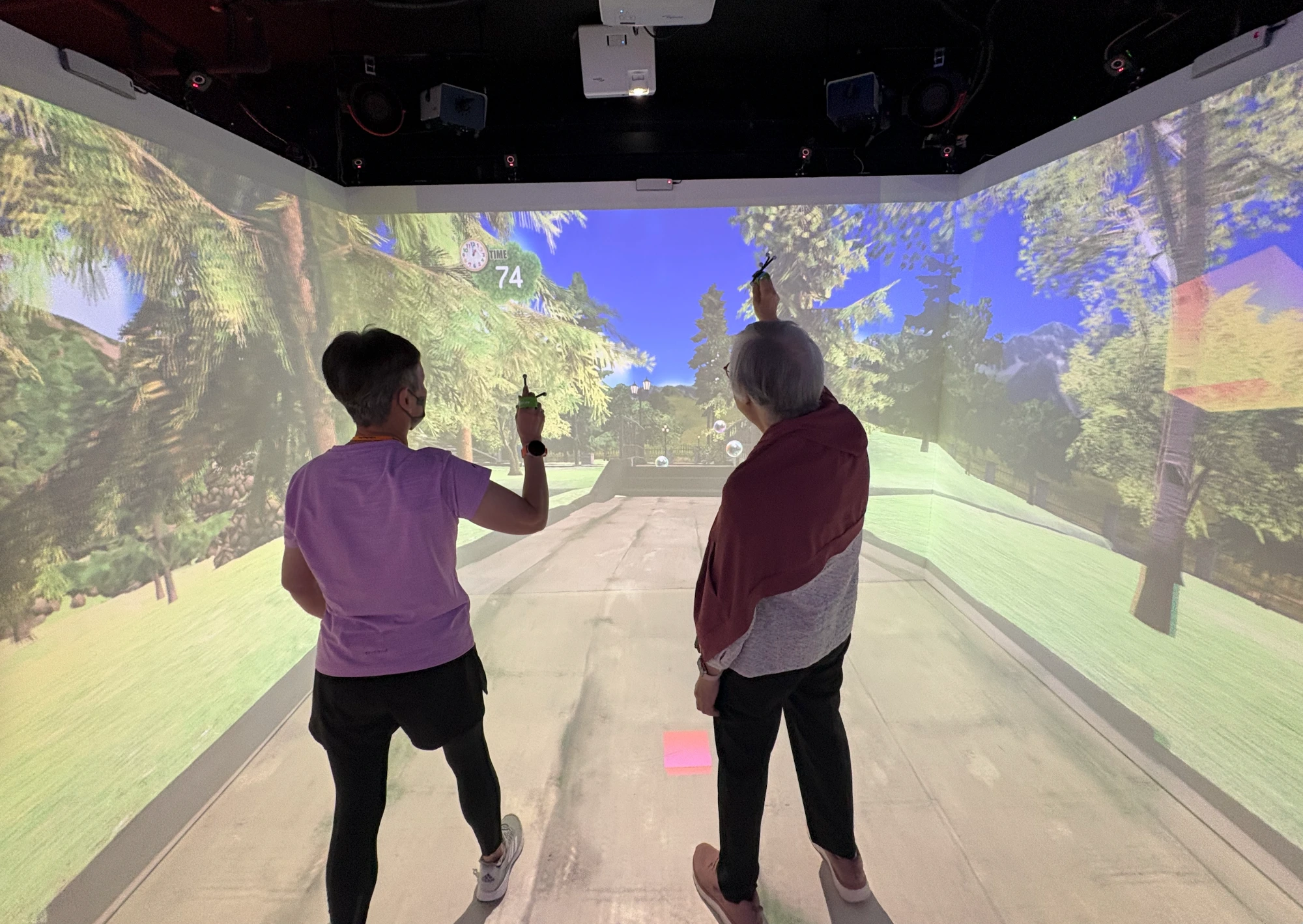
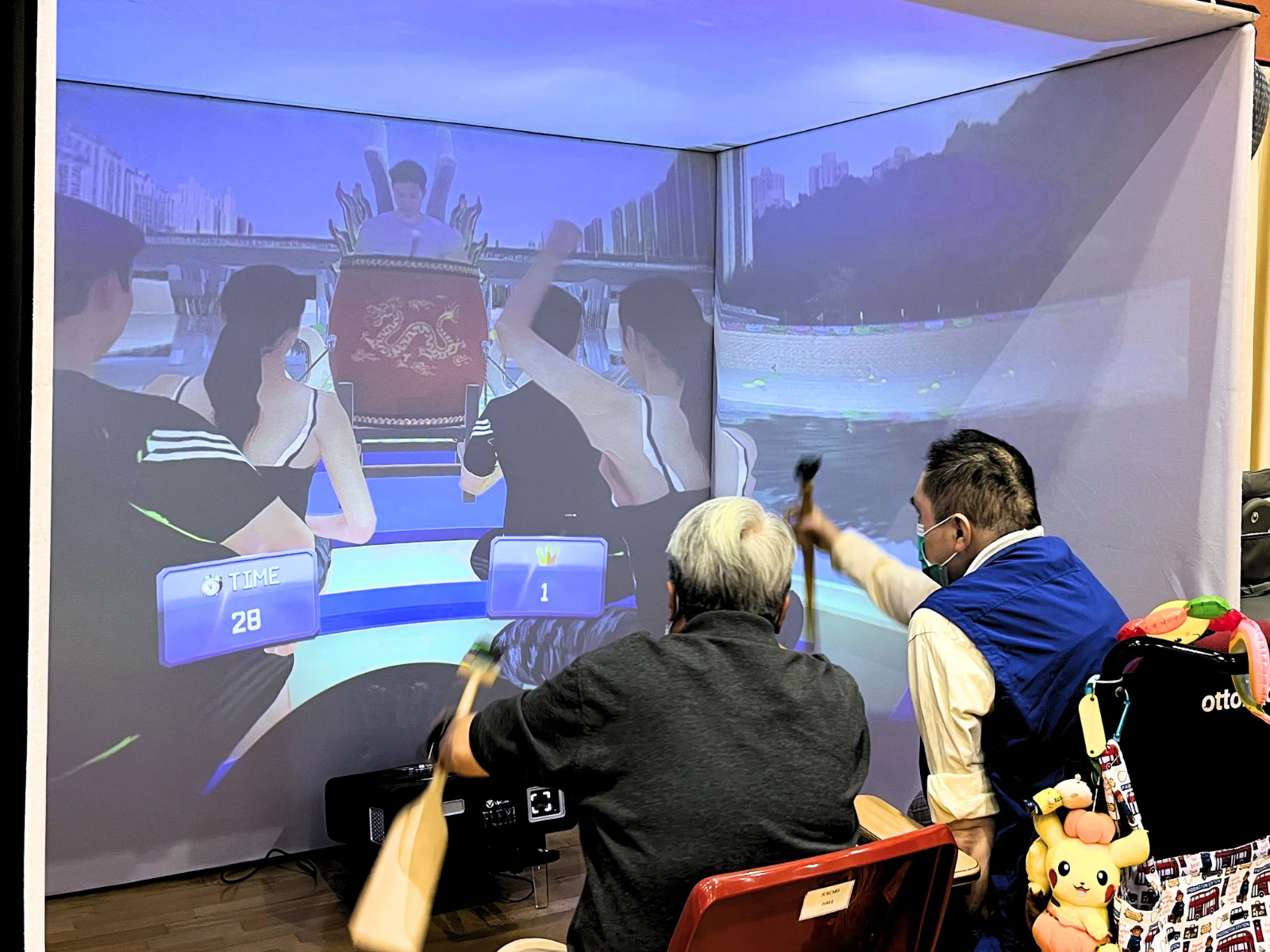
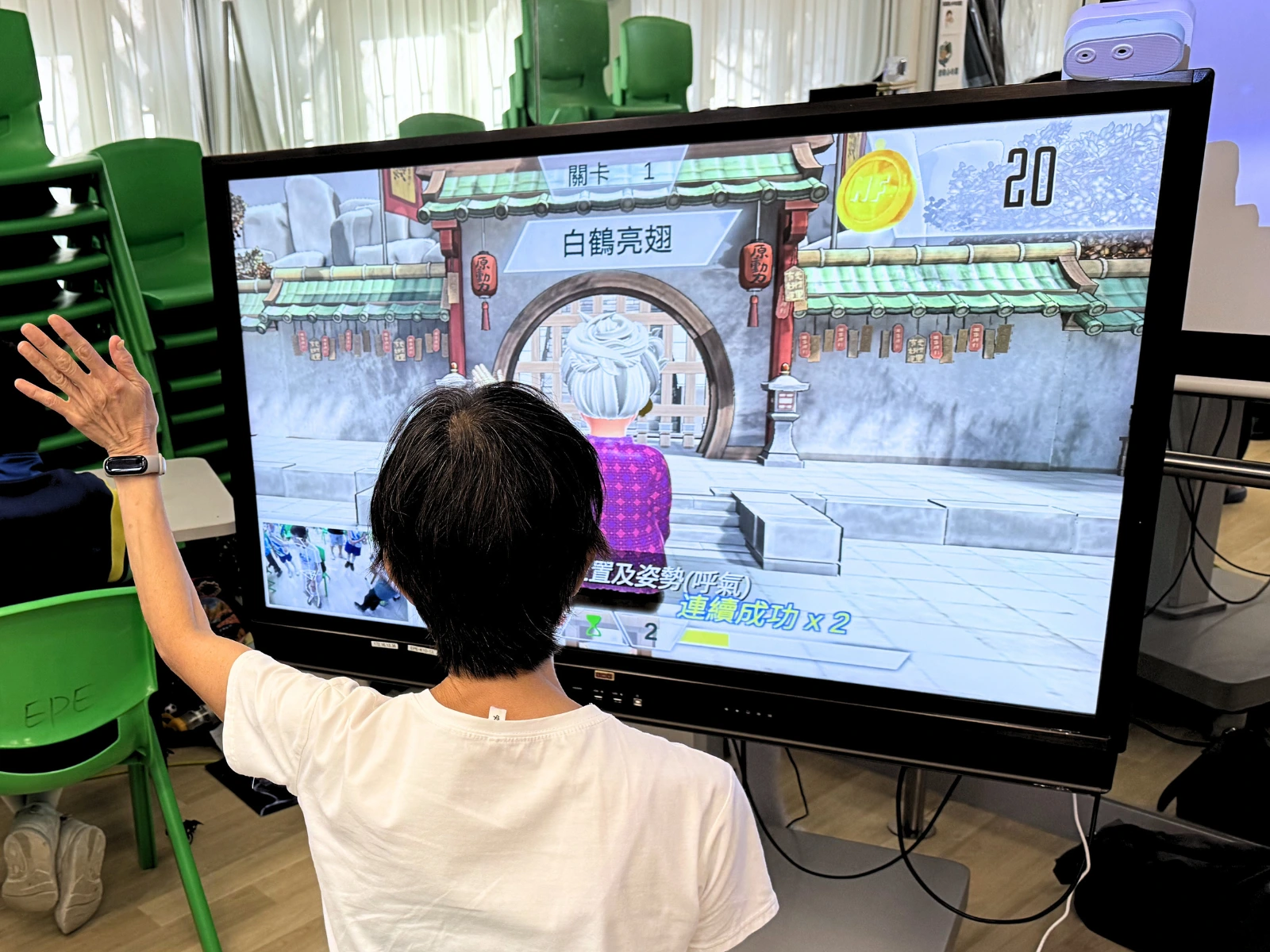
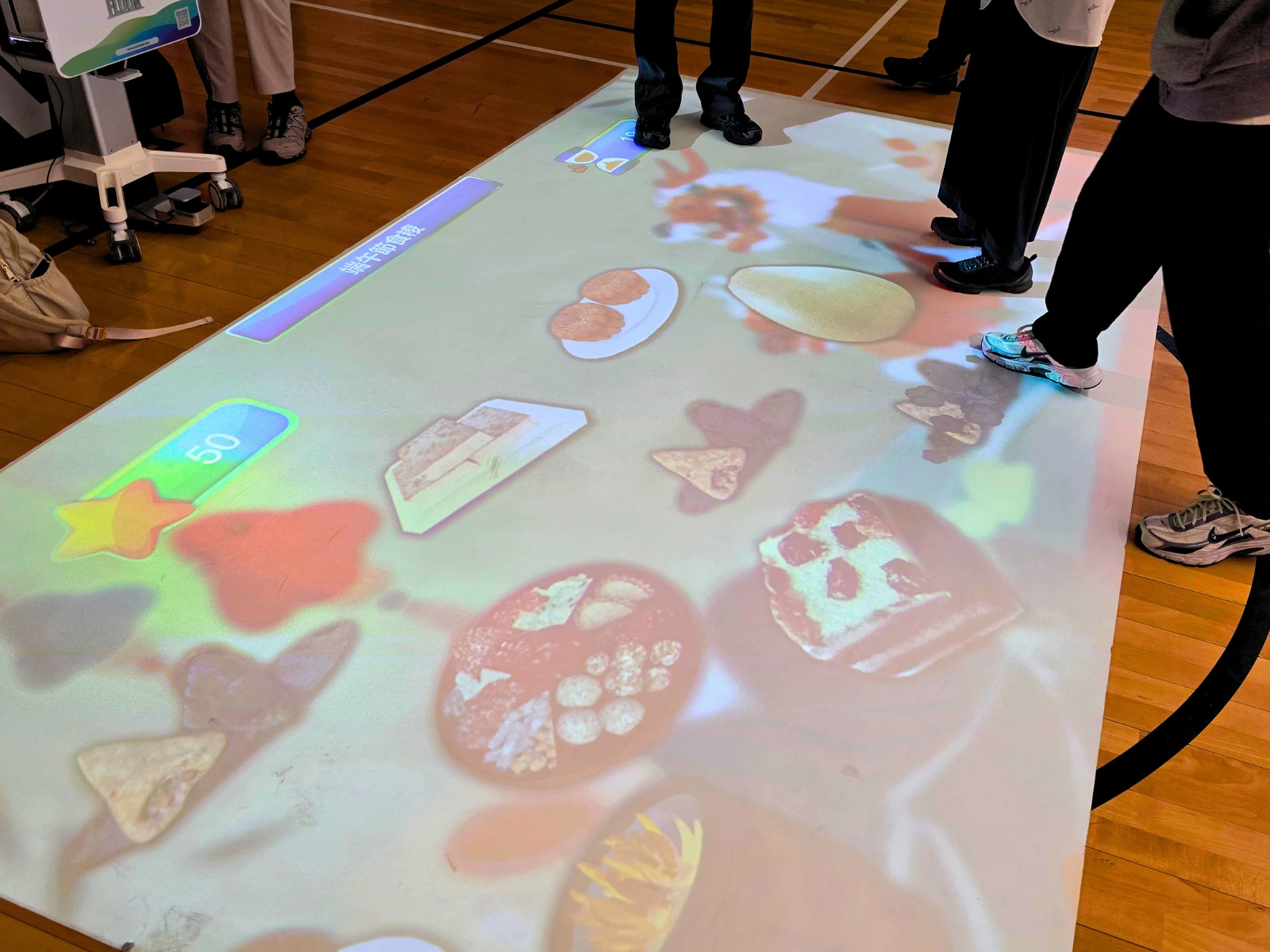
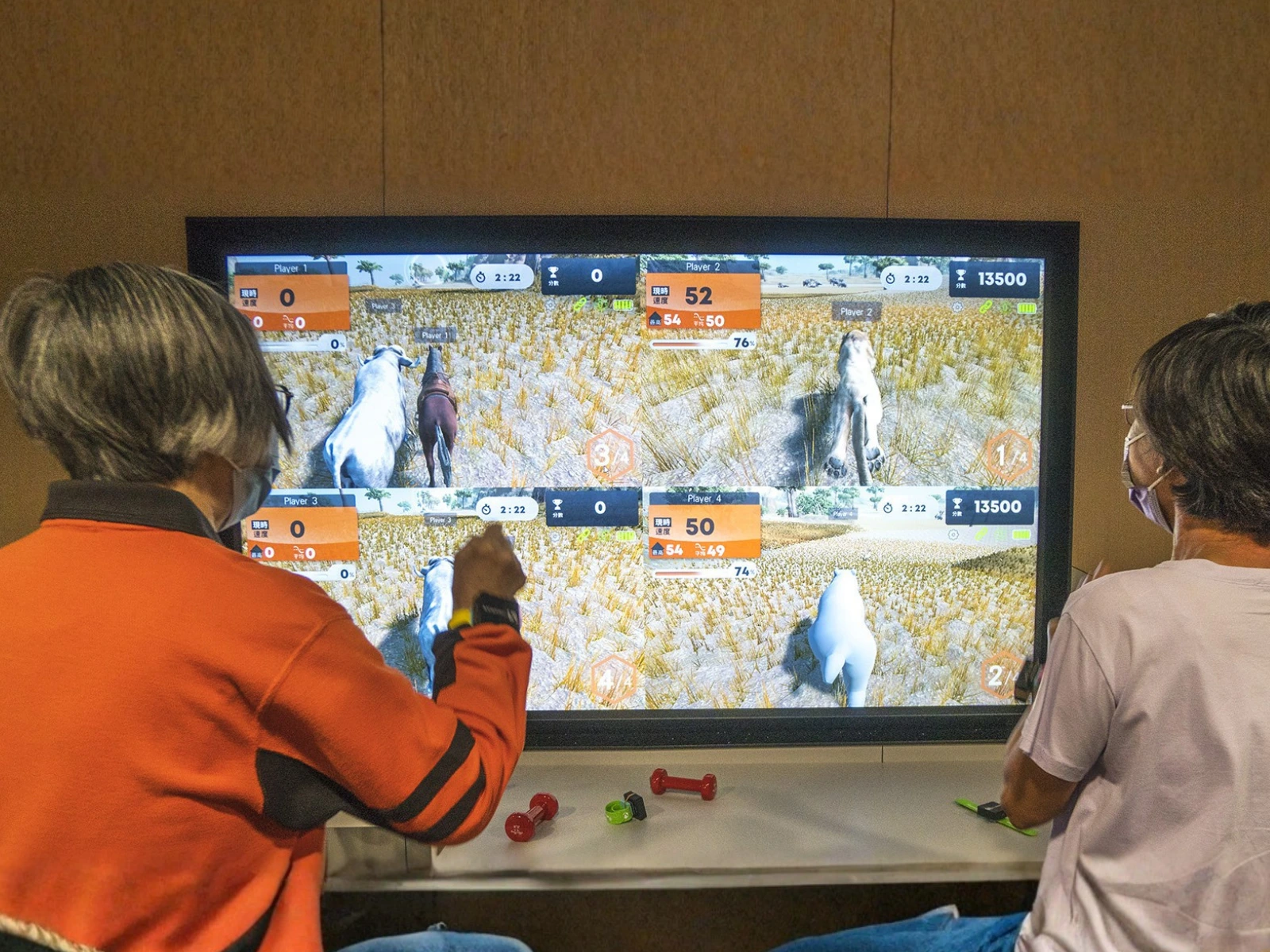
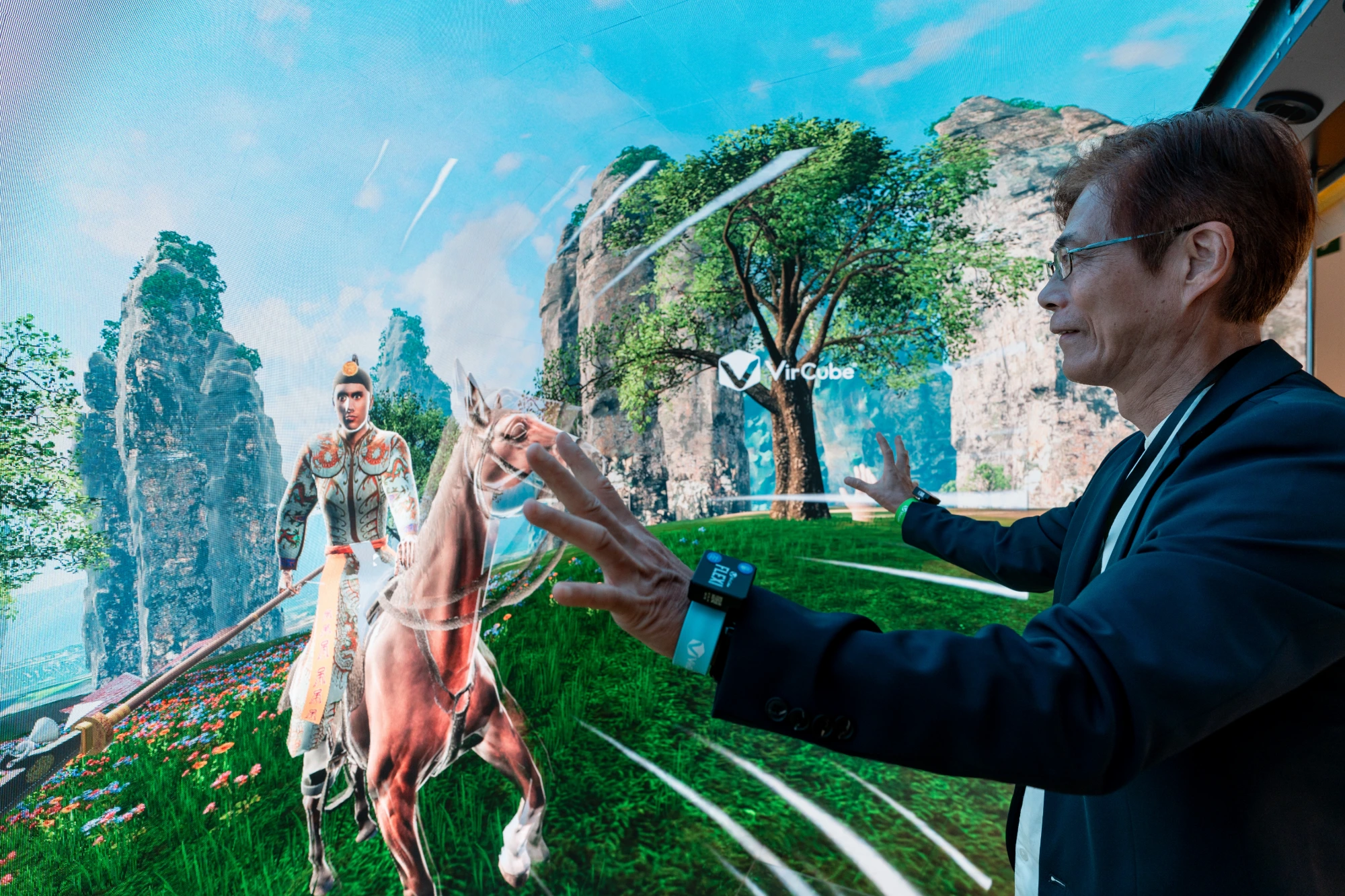
Physical therapy and occupational therapy are crucial for the elderly to maintain their physical functions, but highly repetitive and uninteresting training content often makes the elderly feel boring, resulting in low interest in training and affecting the progress of rehabilitation.
4. Institutional management efficiency and safety hazards
Institutions need to invest a lot of manpower in daily care, inspections, fall prevention monitoring and other tasks. The traditional manual monitoring method is not only inefficient, but also difficult to achieve 24-hour seamless coverage, and there are potential safety hazards, especially the risk of falling out of bed at night.
5. Resource limitations and technology application thresholds
Frontline colleagues may not have sufficient knowledge of technology applications, and their daily work is cumbersome and it is difficult to arrange additional training. Many small and medium-sized elderly care services or NGOs lack sufficient funds and expertise to introduce and apply advanced gerontechnology.