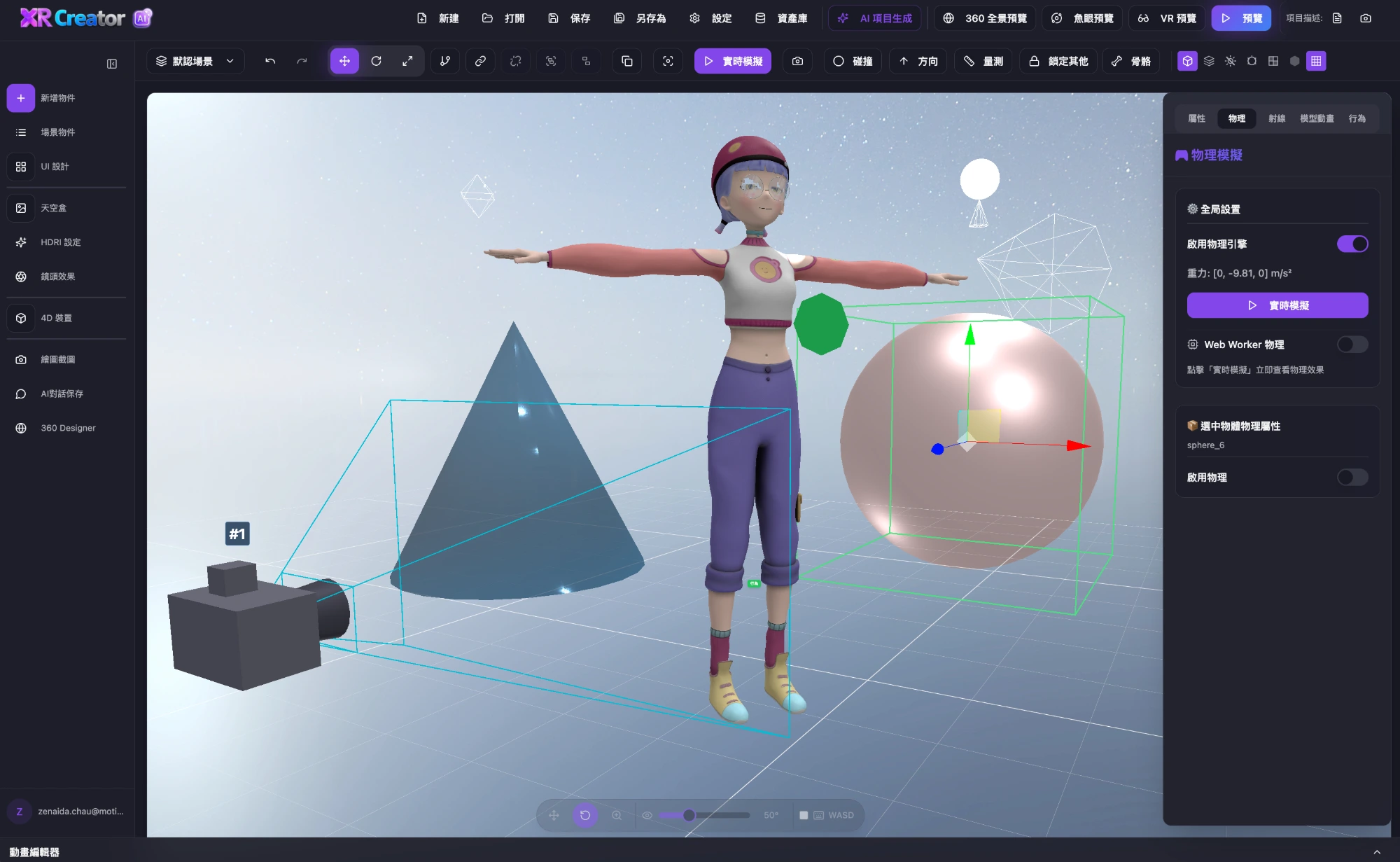
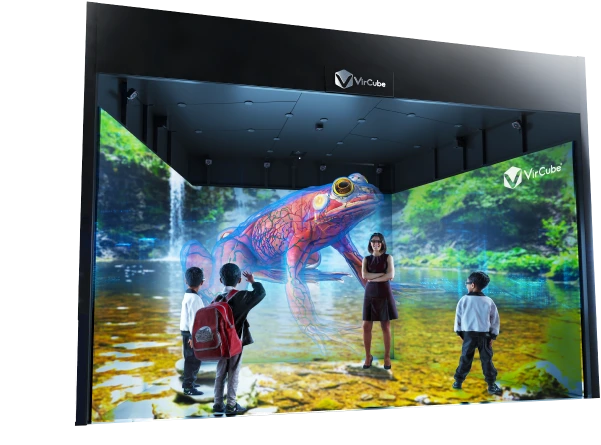
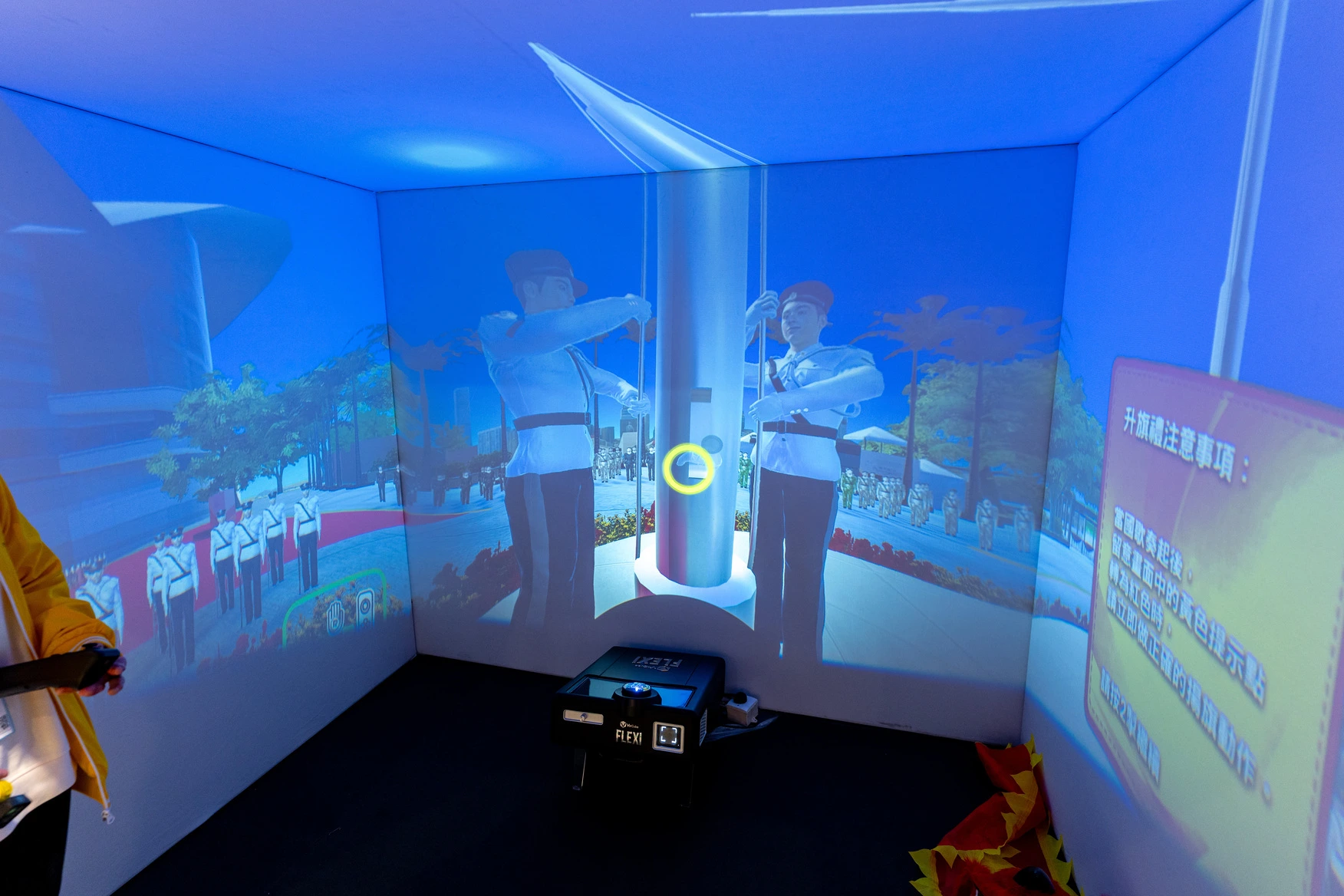
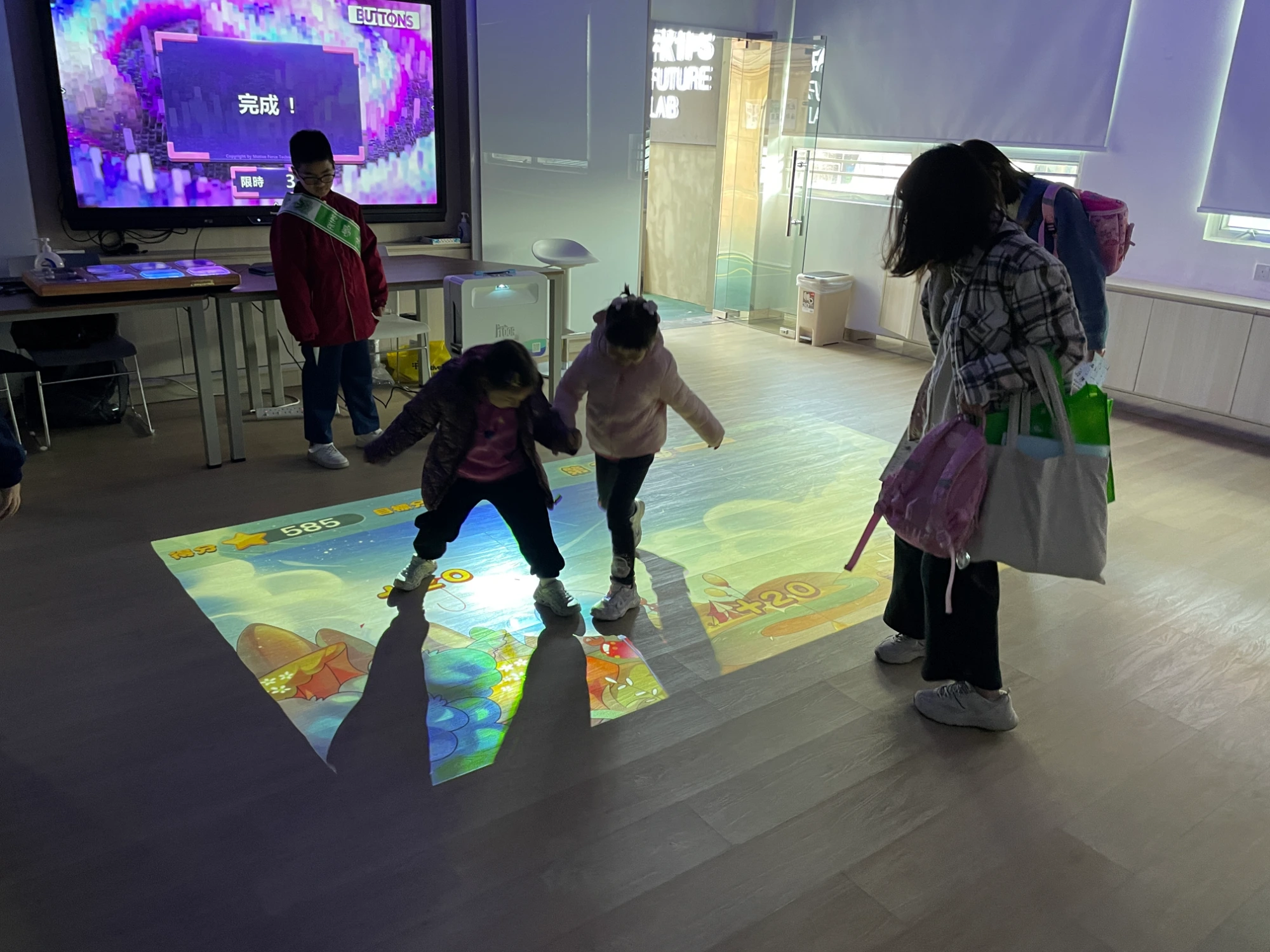
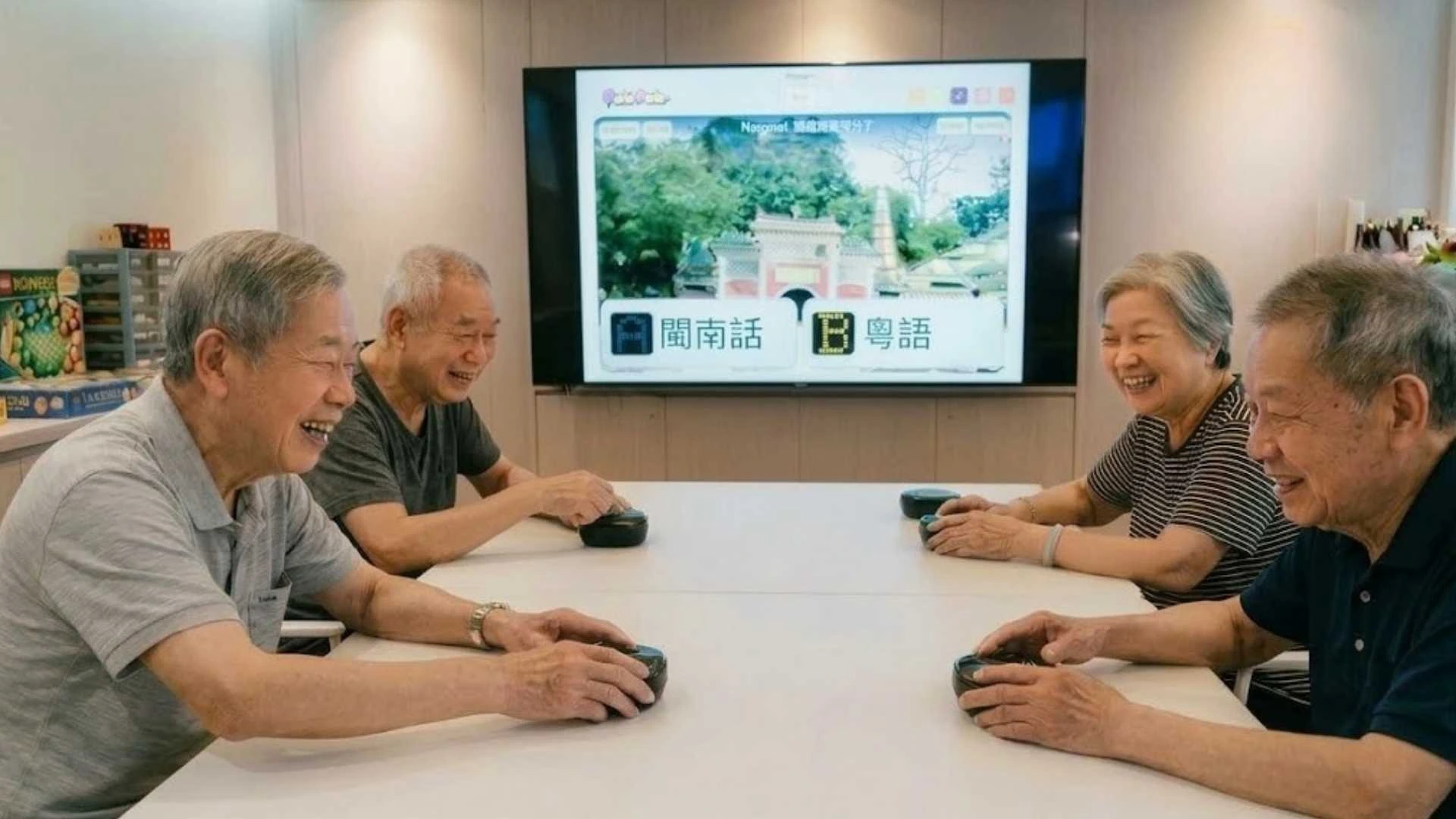
Another grandly launched XR Creator AI 3D virtual reality design software not only fully supports the VirCube series, but also supports a variety of display modes, such as electronic whiteboards, computers, computers, tablets, etc. Just enter a text description, and AI can automatically generate detailed 3D characters, objects, buildings and even complete scenes. You are no longer limited by 3D design experience and only need to focus on the expression of teaching creativity.
XR Creator AI uses AI intelligent interpretation to bring vitality to the virtual world. Not only a static model, the power of XR Creator AI lies in its ability to automatically generate natural movement flows, voice dialogues and environmental reactions for characters. Directly define interaction rules through AI commands, giving your VR content professional-level gamification logic and interactive depth.
The purpose and introduction of the "Smart Education" funding scheme
The "Smart Learning and Teaching" funding plan is in line with the specific measures in the "2025 Policy Address" to increase efforts to promote digital education in primary and secondary schools. Its core goal is to realize "AI for ALL subjects", that is, to promote teachers of various subjects to make good use of artificial intelligence to assist teaching, and to inject AI elements into the school's digital transformation of education, thereby improving the overall quality of learning and teaching.
Subsidy objects and amounts
The Smart Education Funding Scheme is open to all publicly funded primary and secondary schools, including government schools, aided schools, special schools, caput schools and schools under the Direct Subsidy Scheme. The funding amount is a one-time grant of NT$500, 000.
Key dates
February 28, 2026: Application deadline
On or before March 31, 2026: Application results
On or before June 30, 2026: Disbursement of Zhiqi Learning and Teaching Grants
September 30, 2027: Submission of interim report
The end of the 2027/28 school year (i. e. August 31, 2028): the use period of Zhiqi Learning and Teaching funding
On or before September 30, 2028: Submit summary report
Requirements that schools must commit to meeting
School-based development: Incorporate the "Development of Artificial Intelligence Empowered Education" project into the school development plan and/or annual plan.
Curriculum Implementation: Implement AI-assisted teaching in at least 3 subjects/curriculum areas (each subject/curriculum area involves at least 2 levels), and develop a total of at least 6 teaching examples or resources using artificial intelligence.
Experience sharing: Conduct a total of at least 3 open classes or demonstration classes (on-campus or off-campus) using artificial intelligence-assisted teaching in at least 3 subjects/curriculum areas.
Exchange activities: Hold at least 3 experience sharing sessions on using artificial intelligence to assist teaching (on-campus or off-campus).
Student participation: Organize or arrange for students to participate in at least 2 student activities focused on improving students’ artificial intelligence literacy and skills.
Funding Usage and Things to Note
When schools use funds from Zhiqi Learning and Teaching, they must strictly abide by relevant guidelines to ensure that resources are used to improve students' artificial intelligence literacy and skills and promote learning and teaching effectiveness.
Scope of funding purposes:
Zhiqi Learning and Teaching grants can be used to purchase, subscribe or rent the following devices or services that promote artificial intelligence-assisted teaching:
Finance and Accounting Requirements:
Schools must open independent ledger accounts to record various relevant income and expenditures.
Relevant financial records (including copies of invoices and receipts) must be retained for no less than seven years.
No duplication of funding is allowed: Schools are not allowed to transfer funding and/or funds from "Smart Education" to projects already funded by other funds (such as the Quality Education Fund).
Handling of balance: After the end of the allocation period, the overdue unused balance must be returned to the Education Bureau.