
What is Multimodal Reading? Combining Physical Books with AR to Revitalize Campus Reading
With the widespread adoption of digital media, Hong Kong students' reading habits are undergoing a structural shift. Many students have transitioned from reading physical printed books alone to online reading and e-books. However, frontline teachers and teacher-librarians often face a dilemma when promoting reading on campus: traditional text-only books struggle to sustain students' attention for long periods; yet, shifting completely to screen-based e-books often leads to visual fatigue and operational distractions. To overcome this pedagogical bottleneck, "multimodal reading" paired with interactive solutions that bridge the physical and virtual worlds is emerging as a new direction for modern school libraries and classroom teaching.
What is Multimodal Reading?
Multimodal Reading refers to presenting information simultaneously through various media—such as text, images, audio, and video—to enrich students' reading experiences and help them absorb and construct knowledge more comprehensively.
Cross-Media Integration of Text, Images, Audio, and Video
In traditional reading models, students rely primarily on single-mode textual decoding to comprehend content. In a multimodal reading environment, however, text is no longer the sole carrier of information. When static text is complemented by visual graphics, audio narration, or dynamic video clips, the different media complement one another. This allows students to engage with the same reading material from multiple sensory angles, lowering the comprehension barrier while aligning more closely with how contemporary students consume information.
Why Do Both Print-Only and Screen-Only Reading Face Bottlenecks?
Limitations of Print-Only Reading: Physical books provide a tactile page-turning experience and a sense of ritual. However, when tackling abstract topics such as scientific principles, 3D spatial structures, or historical developments, static 2D layouts often struggle to instantly evoke visual imagery, easily leading to frustration among students with weaker reading abilities or limited background knowledge.
Limitations of Screen-Only E-books: While e-books offer easy searching and cross-curricular access, simply transferring physical PDFs onto a screen without meaningful interactive design can make reading monotonous. Moreover, staring at a flat screen for extended periods makes it difficult to sustain deep reading focus.
3 Core Benefits of Multimodal Reading for Student Learning
Systematically integrating multimodal elements into the reading process directly addresses three common pain points in school education:
Boosting Interest in Self-Directed Learning: When reading ceases to be just one-way "text viewing" and becomes an exploratory journey with visual dynamics and interactive feedback, students' curiosity about books increases significantly, helping transform passive task completion into active exploration.
Visualizing Abstract Concepts: For abstract concepts frequently encountered in cross-curricular reading (such as natural science phenomena, geographical structures, or cultural backgrounds), dynamic visuals and multimedia support allow students to quickly build concrete understanding, reducing rote memorization.
Enhancing Memory Retention: A multi-sensory experience combining text reading, motion visuals, and audio cues provides multi-layered memory pathways for the brain, helping students retain key concepts longer after reading and deepening reading comprehension.
Campus Implementation: How AR Table Bridges Physical Books and E-books
To truly implement multimodal reading in schools, the key lies not in replacing physical libraries, but in bridging the gap between print and digital media.
Blending Virtual and Real: Preserving Physical Reading Habits While Bringing Content to Life
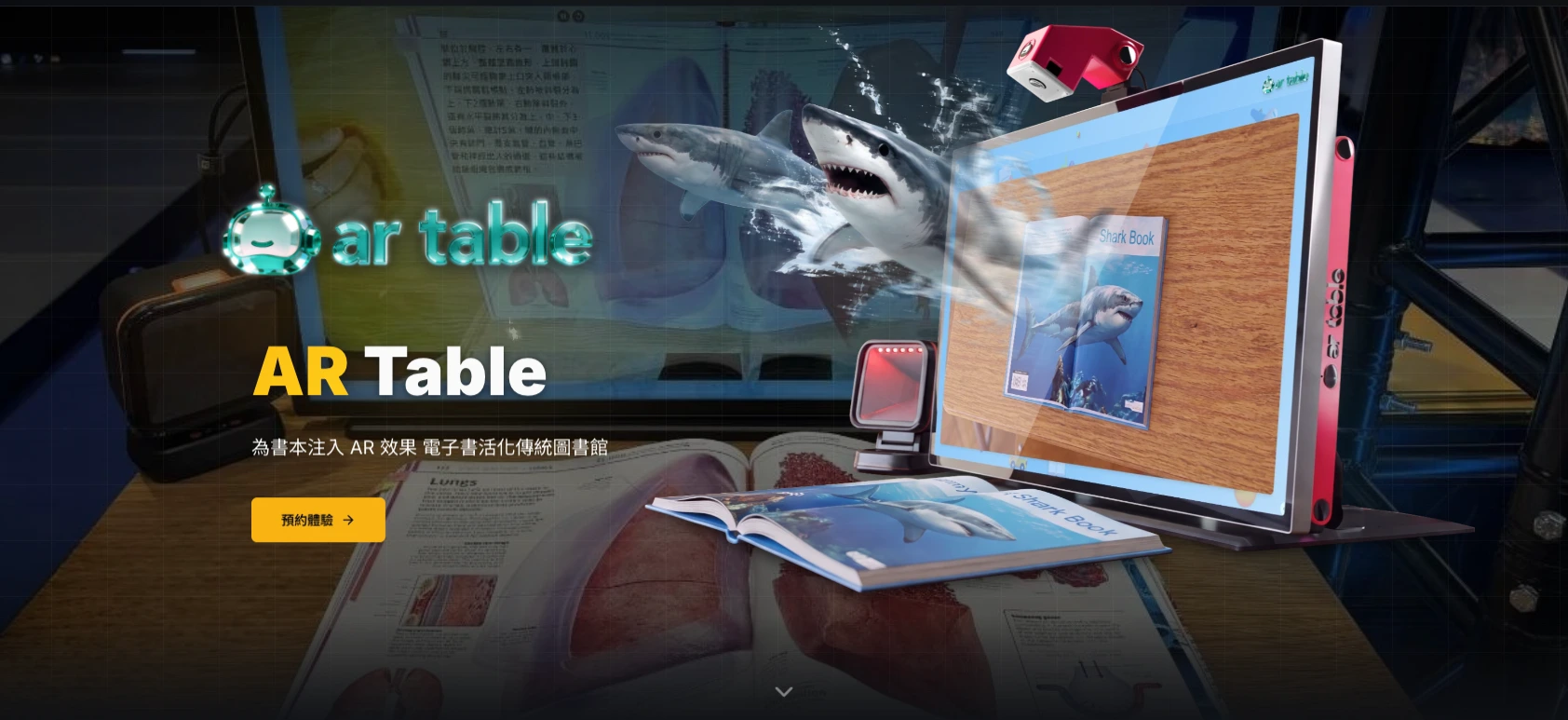
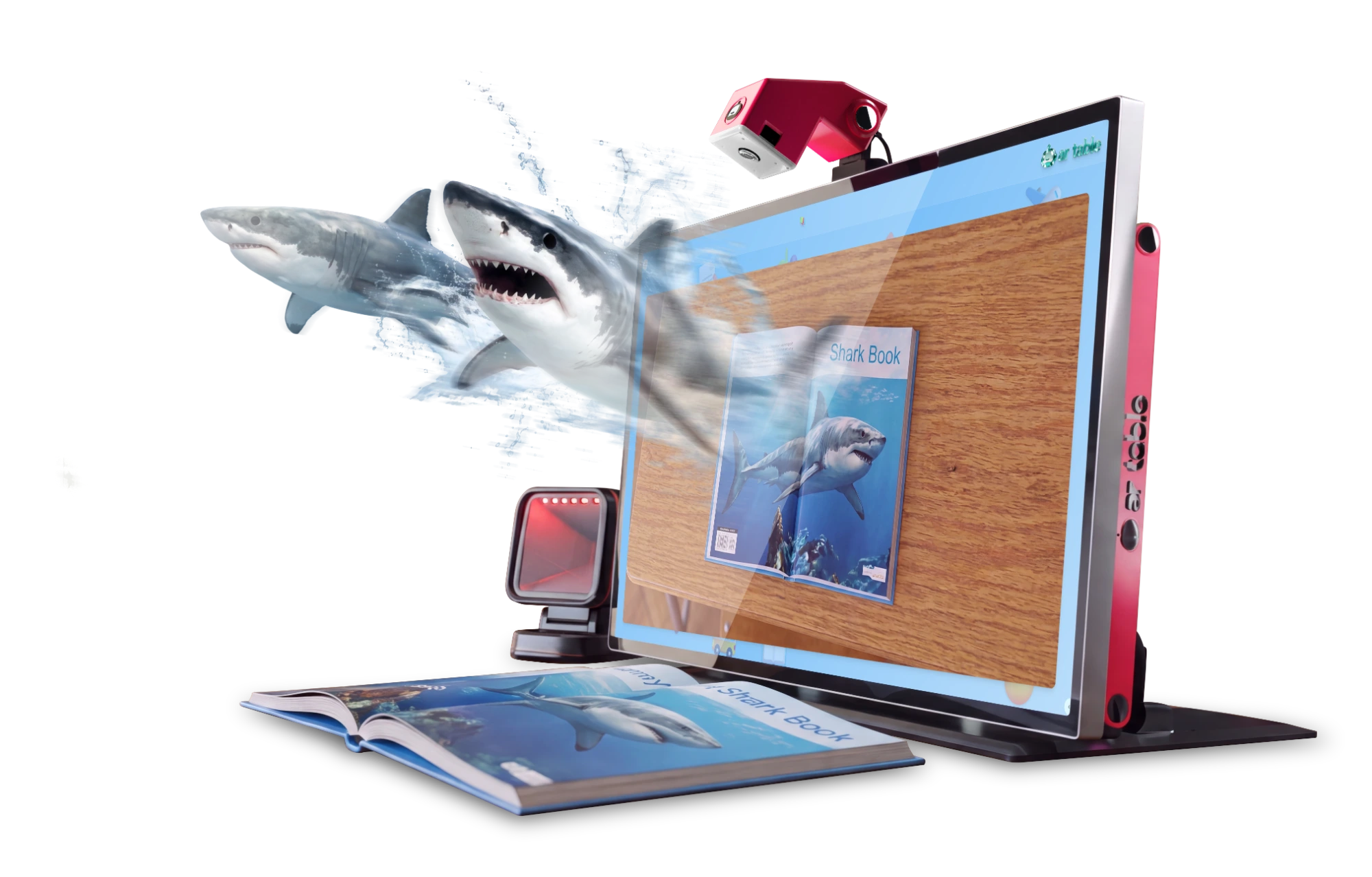
AR Table is an interactive solution tailored for campus reading experiences. Integrating rich multimedia Augmented Reality (AR) and e-book elements, it merges online reading with physical books to bring traditional book content to life. As students flip through physical books on the table, corresponding multimedia interactive content is triggered. This preserves the tactile warmth and focused atmosphere of physical books while delivering a unique 3D reading experience, sparking interest in self-directed learning and reinforcing memory retention and comprehension of abstract concepts.
Teachers Easily Customize Dynamic AR Content to Align with School-Based Curricula
When adopting educational technology, schools are often most concerned about rigid system content that fails to keep pace with school-based curricula. AR Table supports teachers in easily customizing dynamic AR content. Without facing technical hurdles, teachers can adapt interactive materials for different subjects, grade levels, and teaching themes. This enables the same reading space to flexibly support language classes, cross-curricular reading activities, and library theme promotions, effectively enhancing pedagogical outcomes.
Resource Planning for Schools Introducing Multimodal Reading Solutions
When planning cross-curricular reading and e-reading upgrades, Hong Kong public sector schools and Direct Subsidy Scheme (DSS) schools can make good use of the "Promotion of Reading Grant" disbursed annually by the Education Bureau. According to Education Bureau Circular No. 134/2026, schools can flexibly utilize the grant to purchase Chinese and English printed books, e-books, and e-book subscription services, as well as organize diverse and engaging learning activities to promote reading (including participating in online reading schemes and procuring services from professional organizations).
To learn more about the latest grant amounts for the 2026/27 school year, compliance guidelines, and how to introduce AR Table into your school library, please visit 2026/27 School Year "Promotion of Reading Grant" Dedicated Solution: AR Table Revitalizes Campus Reading Experiences, or schedule an in-person demonstration with our specialists.
FAQ
Related products
Explore the products mentioned in this article